

Päri (Lokoro)
Northern LwooThe Päri of Lafon, South Sudan, and the story of Lipul Hill.
A people of Lafon, South Sudan, whose language, Päri, is classified as Northern Lwoo. Secondary sources summarise an oral history of a movement from the Nile to Lipul Hill (Jebel Lafon). How Päri people describe their own relationship to the wider Luo family is for the community to state.
Other spellings and why
- Lafon County, Eastern Equatoria, South Sudan
At a glance
- Language
- Päri (Dhi-Päri)
- Linguistic group
- Northern Lwoo, Western Nilotic
- Homeland
- Lafon County, Eastern Equatoria, South Sudan
- Shown with
- Lokoro, in brackets. Source and who uses the name still to be confirmed
About Päri (Lokoro)
Starting from the community’s own name
The Päri speak Päri, a Northern Lwoo language, and secondary sources record an oral history of leaving the Nile with Dimo and Giilo. The archive starts from how Päri people name and describe themselves.
Emblem and colour
Hill and spear
Lafon-hill ochre
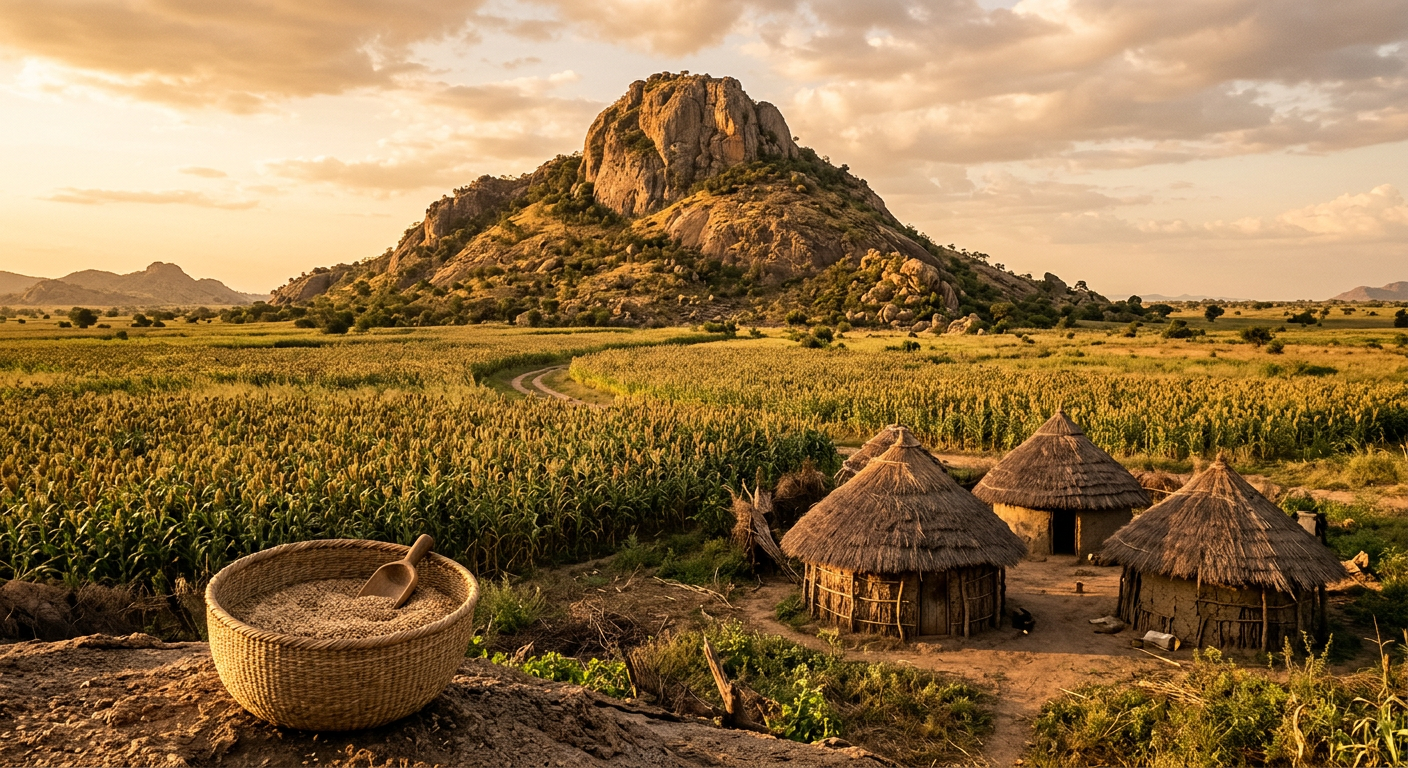
Lipul Hill, where Päri oral history says the people settled, in the ochre of the Lafon uplands.
Questions to ask an elder
- How do you name your people, and what other names, if any, do you accept?
- Have you heard the name Lokoro? Who uses it, and for whom?
- How is the story of Dimo, Giilo and Lipul Hill told in your family?
Origins
Päri is a Northern Lwoo language, close to Shilluk, Anyuak and Acholi. The Päri live around Lafon (Lipul) in Eastern Equatoria, South Sudan, among Eastern Sudanic and Central Sudanic neighbours.
Their own tradition says they descend from Luo who left the Shilluk homeland on the Nile, led by the brothers Dimo and Giilo, and settled on Lipul Hill. The archive records this as community oral history and does not treat it as settled fact.
Lokoro is shown in brackets beside Päri at the project owner’s direction. Who uses that name, and for whom, has no cited source yet and is a question for Päri reviewers.
History and origins
Encyclopedia summary
Päri oral history tells of a migration from the north and west to Lafon County, Eastern Equatoria, where the people lived in six villages at the foot of Lipul Hill (Jebel Lafon). Bari oral history mentions meeting Päri, which may mean the Päri once lived further into Bari country; this is uncertain.
Lead to check with South Sudan elders and reviewers.
Clans and chiefdoms
Encyclopedia summary
The community is divided into six sections named after its villages: Wiatuo, Kor, Bura, Angulumere, Pugeri and Puchwa. These names come from one source and need checking with Päri elders.
Lead to check with South Sudan elders and reviewers.
Leadership and justice
Encyclopedia summary
Päri society is organised by age sets. A change of the governing age-set, called Mojo-miji, takes place about every four years.
Lead to check with South Sudan elders and reviewers.
Beliefs and worldview
Encyclopedia summary
Most Päri are Christians today. Jwok is the Päri name for God.
Lead to check with South Sudan elders and reviewers.
Language
Encyclopedia summary
Päri is a Luo language that forms a dialect cluster with Anywaa and Jur-Luwo. Wikipedia gives no speaker count.
Lead to check with South Sudan elders and reviewers.
Food and farming
Encyclopedia summary
The Päri grow sorghum and keep cattle, goats and sheep, and they also hunt and fish. Teenage boys increasingly hunt in the dry season to earn money.
Lead to check with South Sudan elders and reviewers.
Life today
Encyclopedia summary
The 1982 census counted about 11,000 Päri. Many joined the SPLA/M in the second civil war and many were killed. In February 1993 all six villages were burned, and the Päri scattered to other settlements.
Lead to check with South Sudan elders and reviewers.
Quick reads
Language
Päri is a Luo language, close to Anyuak. Linguists know it for its unusual case marking.
Read more on WikipediaHistory
Oral history, as Wikipedia reports it, says the Päri came from the north and west and settled in six villages at the foot of Jebel Lafon. All six villages were burned in 1993 during the civil war.
Read more on WikipediaVillages and age regiments
Wikipedia lists six sub-groups or villages (Wiatuo, Kor, Bura, Angulumere, Pugeri and Puchwa) and an age-regiment event, Mojo-miji, held every four years.
Read more on WikipediaWhere Päri live
Lafon County, Eastern Equatoria, South Sudan, around Jebel Lafon (Lipul Hill). Wikipedia’s language article names Upper Nile instead, so the two disagree.
Read more on Wikipedia
Notable people
Wikipedia does not name any notable Päri people yet. Päri readers can suggest people with a published source.
Read more about the Päri (Lokoro) on WikipediaWhat the archive is gathering
- Community self-naming and self-description
- Oral accounts of Dimo and Giilo and the move to Lipul Hill
- Relations with Shilluk, Acholi and other neighbours
- Language documentation and fluent-speaker review
Sayings and proverbs
No sayings recorded yet
We have not yet found a published Päri (Lokoro) collection we can cite. Do you know a proverb, riddle or song? A fluent speaker reviews it before it is shared.
Contribute a sayingElders’ teachings
No teachings yet
Teachings grow from Päri (Lokoro) sayings. Record an elder with consent in the Youth Lab interview studio.
Prepare an elder interviewLibrary records
No records yet
The Päri (Lokoro) collection has not started. Community members, researchers and families can help begin it.
Help start this collection