Skip to content
WAN ACEL emblem: two elephants holding a shield above a drum, with the ribbon Unifying Luo Nations Knowledge PortalsWan AcelLuo Nations Knowledge Portals
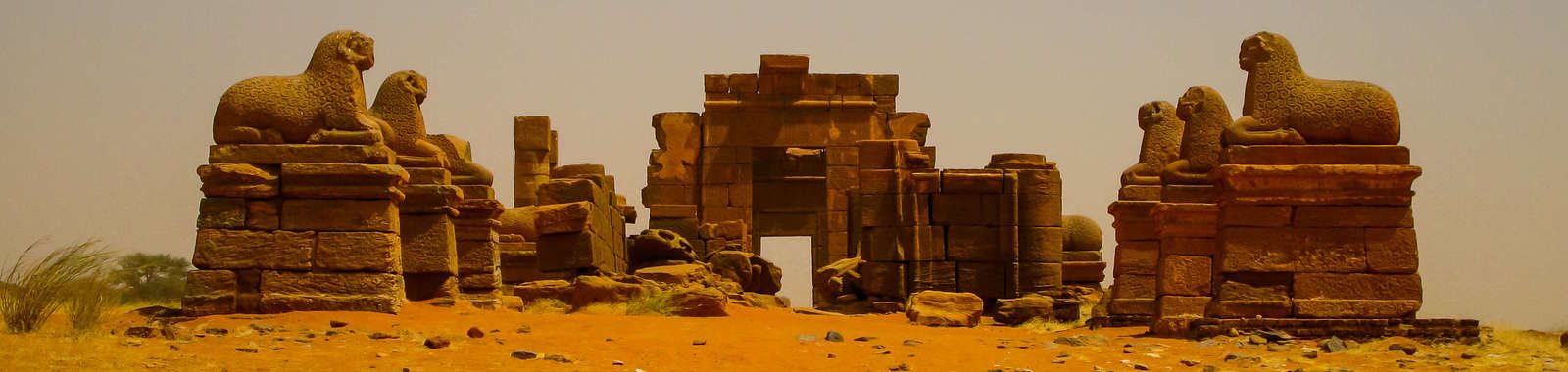
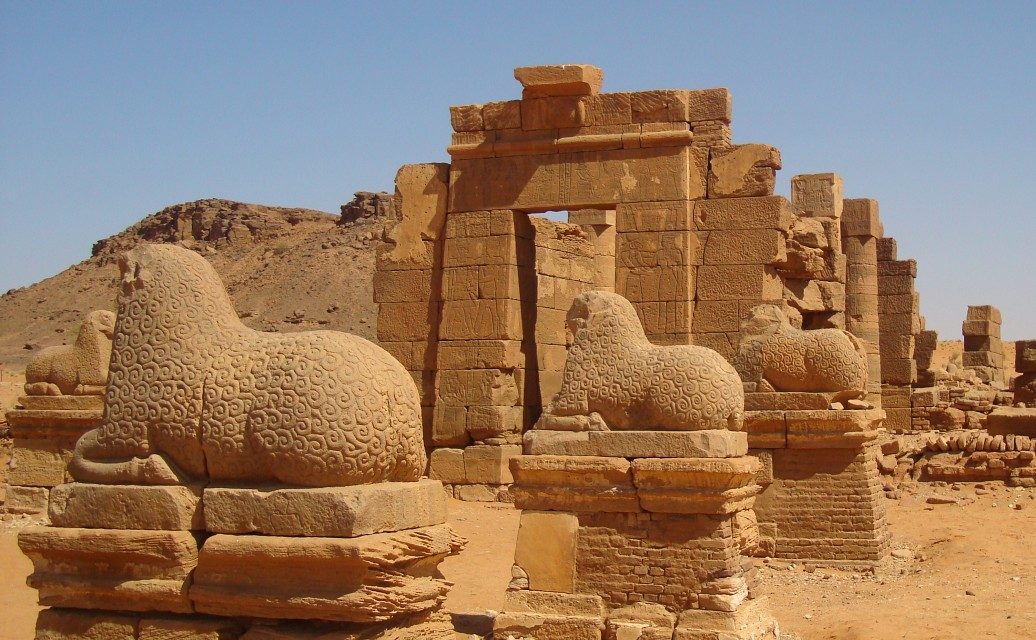
Temple ruins with ram statues, ancient Kush, Sudan

Knowledge Library · The Nile Continuum

The Nile Continuum

Architecture on the scale of a civilisation

Temple ruins with ram statues, ancient Kush, Sudan
Photo: temple ruins with ram statues, ancient Kush, Sudan

Northern Sudan, Fourth Cataract · Napatan period, c. 900–270 BC (sacred since c. 1500 BC)

Napata and the sacred mountain of Jebel Barkal

A 100 m flat-topped sandstone hill that Egyptians and Kushites alike held to be the dwelling of Amun. Great temples were raised at its foot, and Kushite kings were crowned here before they ruled Egypt as the 25th Dynasty.
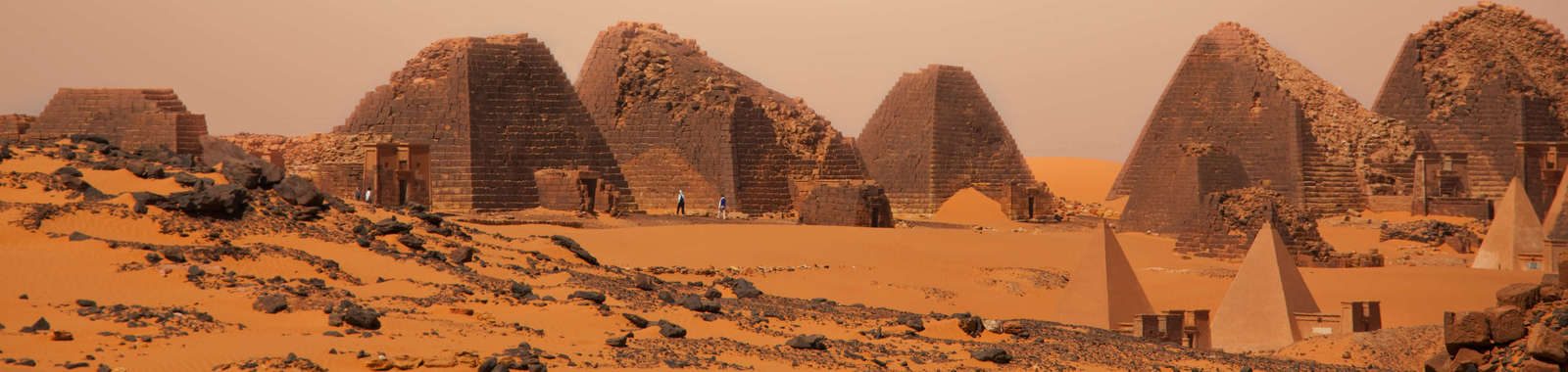
Royal pyramids of Meroë, Sudan
Photo: royal pyramids of Meroë, Sudan

Nuri, Kurru, Meroe, Sudan · c. 9th century BC to 4th century AD

The steep pyramids of Kush

Kushite royal pyramids are narrower and steeper than the Giza type, each with a small offering chapel at its eastern face. More pyramids stand in Sudan than in Egypt.

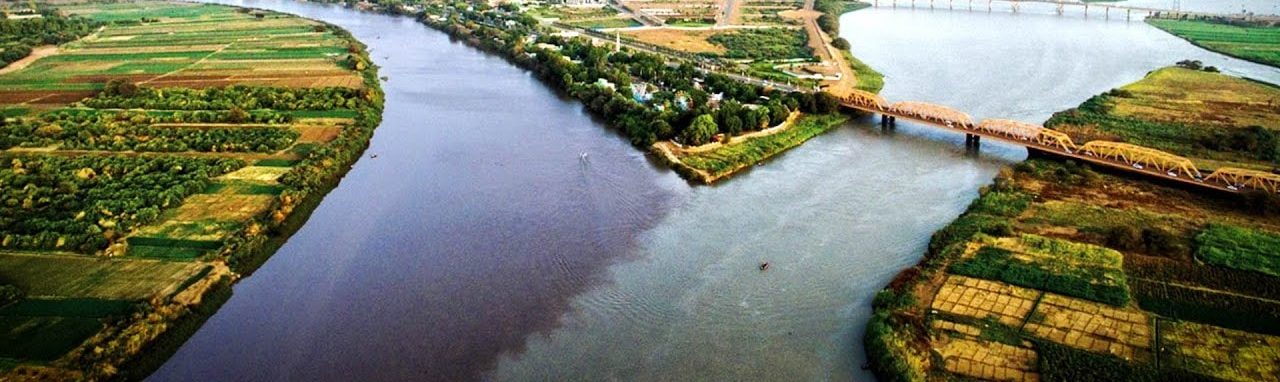
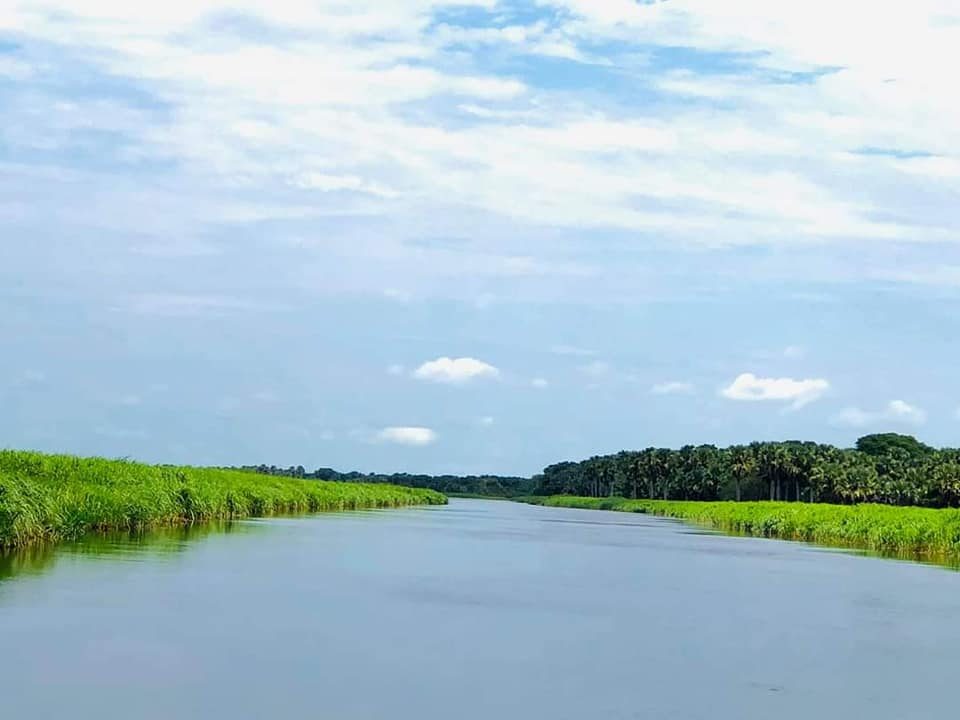
The River Nile
Photo: the River Nile, which joined Kush and Kemet (no photo of Karnak is used yet)

Karnak, Thebes, Egypt · New Kingdom to Kushite period, c. 1550–650 BC

The great halls of Kemet

Karnak was extended by Kushite kings as well as Egyptian ones. Taharqa raised monumental works there, so the Nile’s two great temple traditions were built by a single dynastic line.

Photographs

Kush, Nubia and the river today

Temples, pyramids and the Nile as they stand now. The painted scenes above are illustrations; these are photographs.

The scholars: what they argued, and where the debate stands

Cheikh Anta Diop

1923–1986 · Senegalese historian, physicist and anthropologist

Ancient Egypt was an African civilisation built by Black African peoples, and its language belongs with other African languages, including Wolof. He called for African history to be read through African evidence, not only through outside sources.

Théophile Obenga

b. 1936 · Congolese historian, linguist and Egyptologist

Ancient Egyptian is related to other African languages, and Egyptian civilisation is best understood as part of a wider African cultural continuum. He debated Diop’s case alongside him at the 1974 UNESCO symposium.

Claude Rilly

contemporary · Linguist, Meroitic specialist (French National Centre for Scientific Research)

Meroitic, the language of the Kushite state at Meroe, belongs to the Northern East Sudanic branch of Nilo-Saharan, alongside Nubian, Nara, Taman and Nyimang languages.

The evidence ladder: how strongly is each link supported?

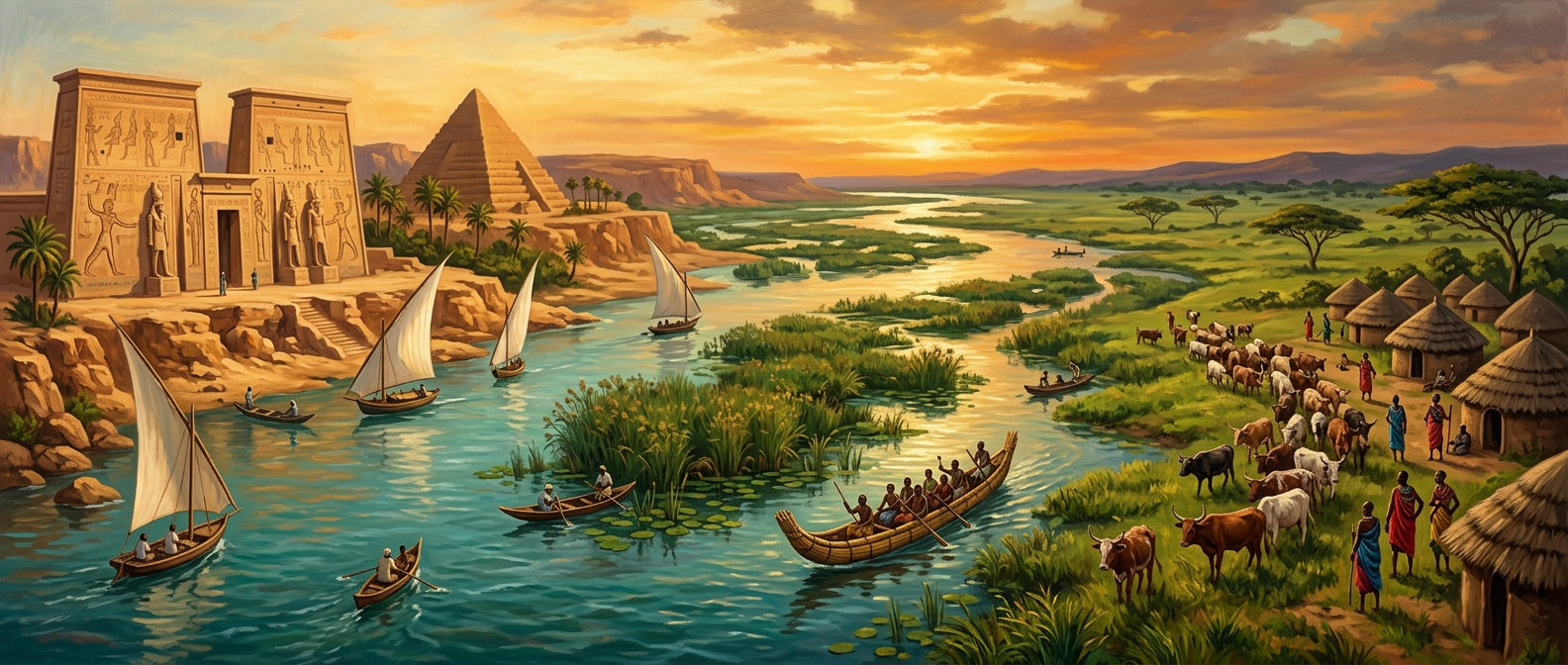
Painted panorama of the Nile flowing from a Nubian temple and pyramid through wetlands to East African grasslands and homesteads

The river that joins the Luo homeland to Kush

Where Luo oral history begins

Acholi, Alur, Lango, Jopadhola, Kenyan Luo, Shilluk and Anyuak traditions trace movement from the Nile and Bahr el-Ghazal region of South Sudan. The Shilluk kingdom, with its sacred kingship and the founder Nyikang, still sits on the White Nile.

What the river connects

The Nile ties Kush, Egypt and the Luo homeland by geography, trade and pastoral life. Cattle, sacred kingship and rain and river ritual appear along this corridor, and comparing them is a legitimate research question.

What we do not claim

We do not claim that any living people is the direct heir of a particular pharaoh or Kushite king. We present the evidence so elders, students and researchers can weigh it for themselves.

Sources and further reading

Links open the primary or overview pages for each source. Please check the full text before citing, and send corrections through the Contribute page.